
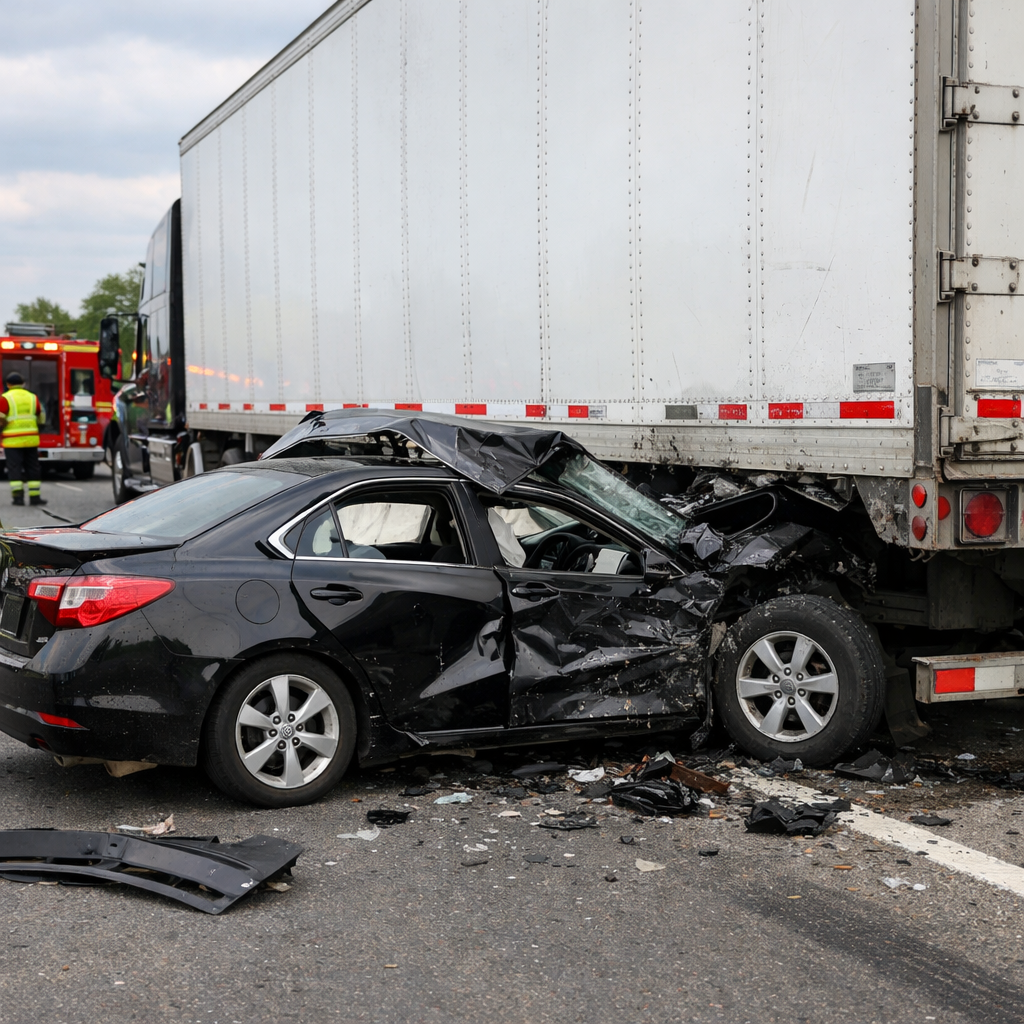
Your Guide to Wisconsin Truck Accidents
Wisconsin Truck Accident Personal Injury Cases: A Comprehensive Guide
Truck accidents can have devastating consequences in Wisconsin. Due to the size and weight disparity between commercial trucks and passenger vehicles, collisions involving large trucks often lead to severe injuries, extensive property damage, and complicated legal issues. If you or a loved one has been injured in a truck accident in Wisconsin, understanding your rights and how to pursue compensation is essential.
Why Truck Accidents Are Different from Other Crashes
Unlike typical car collisions, truck accidents often involve:
Commercial drivers and employers
Federal and state trucking regulations
Complex insurance policies
Multiple liable parties
Because of these factors, Wisconsin truck accident personal injury claims require specialized legal strategies that differ from standard car accident cases.
Common Causes of Truck Accidents in Wisconsin
Understanding what leads to truck accidents helps establish liability. Common causes include:
Driver Fatigue and Hours-of-Service Violations
Commercial drivers are subject to strict limits on driving hours. Violations can lead to fatigue-related crashes.Distracted Driving
Texting, cellphone use, GPS navigation, and other distractions can cause truck drivers to lose focus.Speeding or Aggressive Driving
Heavy trucks require more braking distance; speeding makes it harder to control the vehicle.Improper Loading and Cargo Shifts
Unsecured loads can shift suddenly, causing rollovers or sudden stops.Mechanical Failures
Brake failures, tire blowouts, and other defects often result from poor maintenance.Poor Weather Conditions
Wisconsin’s winter conditions — snow, ice, and slick roads — can increase the risk of truck crashes.
Who Can Be Held Liable in a Wisconsin Truck Crash?
One of the most complex aspects of truck accident personal injury cases is determining liability. Possible responsible parties include:
The truck driver: for negligence or unsafe driving
The trucking company: for negligent hiring, supervision, or vehicle maintenance
Cargo loaders: if improper loading caused the accident
Truck manufacturers: for defective parts or safety systems
In many cases, multiple defendants are involved — and each may have separate insurance policies.
Types of Injuries in Truck Accidents
Truck accidents can result in catastrophic injuries, such as:
Traumatic brain injuries (TBIs)
Spinal cord injuries and paralysis
Broken bones and internal injuries
Severe lacerations and burns
Wrongful death
These injuries often require prolonged medical treatment, rehabilitation, and long-term care, making compensation essential for victims and families.
Statute of Limitations in Wisconsin
If you are pursuing a personal injury claim after a truck accident in Wisconsin, timing matters. Wisconsin law sets strict deadlines:
Personal injury claims: generally must be filed within 3 years from the date of the accident.
Wrongful death claims: also typically have a 3-year statute of limitations.
If you miss this deadline, you may lose your right to recover compensation — even if your case is strong.
Compensation in Wisconsin Truck Accident Cases
Victims of truck accidents may be entitled to multiple types of damages, including:
Economic Damages
These are quantifiable financial losses, such as:
Medical bills (past and future)
Lost wages and loss of earning capacity
Property damage
Rehabilitation and therapy costs
Non-Economic Damages
These are more subjective losses, including:
Pain and suffering
Emotional distress
Loss of enjoyment of life
Punitive Damages
In rare cases where a truck driver or company acted with extreme negligence or recklessness, Wisconsin courts may award punitive damages to punish the wrongdoer.
Why You Need an Experienced Wisconsin Truck Accident Attorney
Truck accident cases are uniquely complex for several reasons:
Federal trucking laws (FMCSA) apply, adding layers of regulation.
Insurance companies often deploy high-powered legal teams to minimize payouts.
Accident reconstruction experts may be needed to prove liability.
Medical evidence must link injuries to the accident.
An experienced Wisconsin truck accident attorney can:
Investigate the crash thoroughly
Preserve crucial evidence
Consult industry experts
Negotiate with insurers
Pursue maximum compensation
Hiring a lawyer with deep knowledge of both state and federal trucking laws can significantly improve your chances of a favorable outcome.
Steps to Take After a Truck Crash in Wisconsin
If you’ve been involved in a truck accident, acting quickly can protect your legal rights:
Seek immediate medical attention.
Your health and documented injuries form the backbone of any personal injury claim.Report the accident to law enforcement.
Police reports often include valuable details about fault and contributing factors.Document everything.
Take photos of the scene, your injuries, and any visible property damage.Get contact information from all involved parties and witnesses.
Notify your insurance company.
Provide only basic facts — avoid detailed statements until you speak with an attorney.Consult a qualified Wisconsin truck accident attorney promptly.
Truck Accidents and Wisconsin’s Insurance Law
Wisconsin follows a modified comparative negligence rule, which allows injured parties to recover damages even if they are partially at fault — but only if they are less than 51% responsible for the accident. Your compensation may be reduced by your percentage of fault.
Conclusion
Truck accident personal injury cases in Wisconsin require specialized legal understanding and careful handling of evidence, insurance policy limits, and federal trucking regulations. For victims, the physical, emotional, and financial costs can be overwhelming — but with the right legal support, you can pursue fair compensation for your losses.
If you or a family member has been injured in a Wisconsin truck accident, consulting an experienced personal injury attorney at DMR Law Offices early in the process is crucial to protect your rights and maximize your compensation.
INJURED? DEMAND MAXIUM RESULTS CALL DMR LAW OFFICES TODAY! 414-455-3629